
A Beginner’s Guide to Food Freedom
EXAMPLE BLOG CONTENT — FOR WEBSITE DESIGN AND LAYOUT PURPOSES ONLY. This sample was created to demonstrate what a Blackbird Nutrition Therapy blog post
could look like and is not a finalized article written or approved by Teresa for publication.
Maybe you’ve had one of those days where food seems to take up far more mental space than you intended. You skip breakfast without really meaning to, order the salad at
lunch because it feels like the “better” choice, and then spend half the afternoon thinking about the cookie someone brought into the office. Eventually, you eat the cookie,
but instead of simply enjoying it, you’re already thinking about whether you should have something lighter for dinner.
Somewhere along the way, food got complicated. We pick up so many messages about what we should eat, when we should eat, how much we should eat, and which foods
are supposedly “good” or “bad.” After hearing those messages for long enough, they can start to feel less like outside rules and more like facts we’re simply expected to
follow. We may not even realize how much those rules are influencing our choices or how we feel about ourselves after eating.
So, What Does Food Freedom Actually Mean?
Food freedom is about creating a little more space between you and all of that noise. It doesn’t mean throwing nutrition out the window or suddenly not caring about what
you eat. Instead, it can mean making room for flexibility and recognizing that different foods can have different places in our lives. There can be vegetables and birthday
cake, home-cooked dinners and frozen pizza, foods that nourish your body and foods you choose simply because you enjoy eating them.
A helpful place to begin can be noticing some of the rules that already exist in your relationship with food. Maybe you catch yourself thinking that you shouldn’t be hungry
yet because you recently ate, that you’ve already had dessert this week, that you’ll “start over” on Monday, or that you need to eat lighter during the day because you’re going
out for dinner that night. The goal isn’t necessarily to catch one of these thoughts and immediately make yourself change it. Sometimes, simply becoming curious about
where the thought came from and why it feels important can tell you a lot.
What Happens When We Get Curious About Our Food Choices?
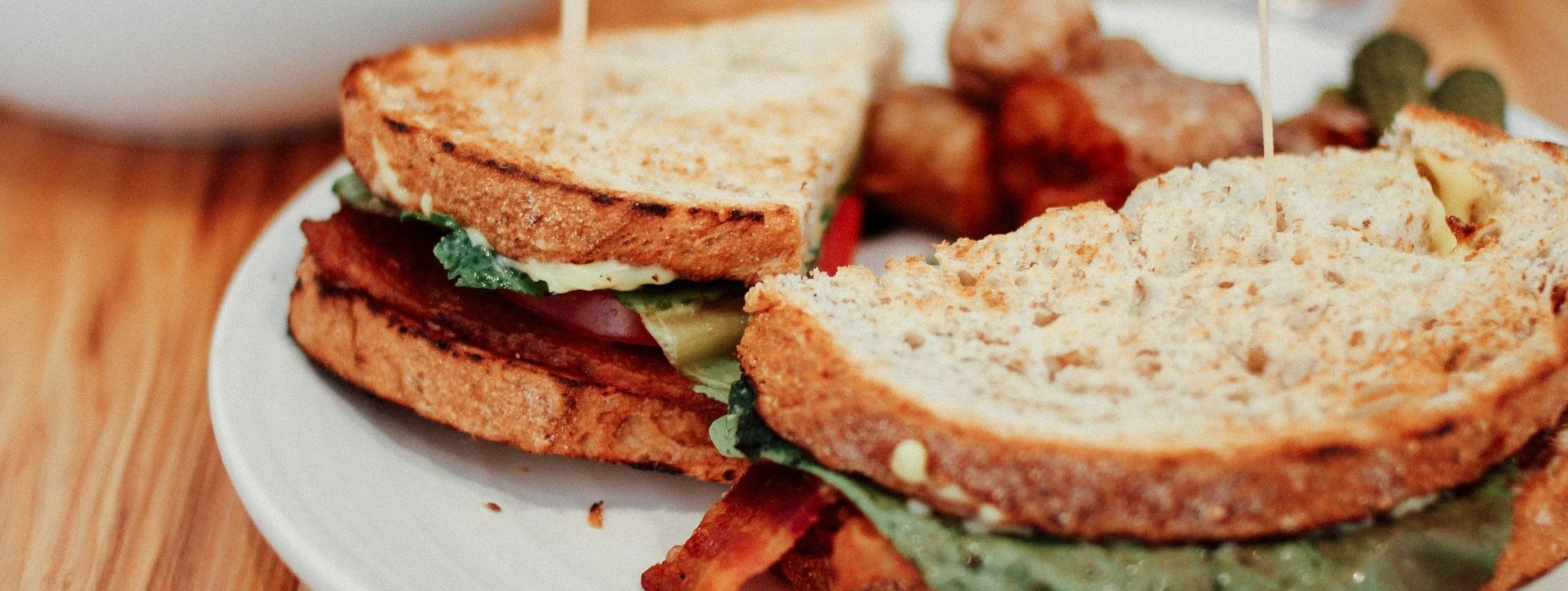
Maybe you think back to that lunch and ask yourself why you chose the salad when you really wanted the sandwich. The point isn’t that choosing a salad was wrong, and food
freedom doesn’t mean you were supposed to choose the sandwich instead. It’s about understanding what influenced the decision. Did the salad genuinely sound good, or
did you feel like it was what you were “supposed” to order? Were you responding to what you wanted and needed in that moment, or were you following a rule you’ve carried
with you for years?
That same curiosity can begin to change how you experience foods that previously came with guilt or expectations. Maybe, eventually, the cookie gets to just be a cookie. It
doesn’t have to become something you earned because you exercised that morning or something you need to make up for at your next meal. It can simply be something you
wanted, chose to eat, and hopefully enjoyed.
Where Can I Start?
Food freedom isn’t something you have to master, and there isn’t a finish line where you suddenly have a perfect relationship with food. If food has felt complicated for a
long time, it makes sense that developing a more peaceful and flexible relationship with it may take time as well. Instead of beginning by asking yourself what you need to
fix or change, you might start by considering a different question: What do I want my relationship with food to feel like?
Maybe you want food to feel easier or more flexible. Maybe you want to feel less anxious when plans change, enjoy meals with other people without mentally calculating
everything you’ve eaten, or simply spend less of your day thinking about food. There doesn’t have to be one right answer. Getting curious about what you want your
relationship with food to feel like can help you begin identifying what matters to you and what you may want to explore further.
Ready to Make Food Feel a Little Less Complicated?
You don’t have to figure everything out on your own. If you’re interested in exploring a more flexible and peaceful relationship with food, nutrition therapy can provide a
space to talk about what you’re experiencing and identify the kind of support that may be helpful for you. Learn more about working with Blackbird Nutrition Therapy and
what nutrition support can look like when you’re ready to take the next step.
EXAMPLE CONTENT ONLY — NOT FOR PUBLICATION. Final educational and clinical content should be written, reviewed, and approved by Teresa before being published on the Blackbird Nutrition Therapy website.