
When ADHD Makes Eating Feel Harder Than It Should

EXAMPLE BLOG CONTENT — FOR WEBSITE DESIGN AND LAYOUT PURPOSES ONLY. This sample was created to demonstrate what a Blackbird Nutrition Therapy blog post
could look like and is not a finalized article written or approved by Teresa for publication.
You know you need to eat. There’s food in the house. You may even have an idea of what you could make. But somehow, getting from I should probably eat something to
actually sitting down with food in front of you feels like it requires approximately seventeen different steps.
For people with ADHD, eating consistently isn’t always as simple as knowing which foods are nutritious. Executive functioning, changes in appetite, difficulty noticing
hunger cues, decision fatigue, medication side effects, and simply getting absorbed in something else can all affect how food fits into the day. Sometimes you realize it’s
mid-afternoon and lunch never happened. Other times, you know you’re hungry but deciding what to eat feels so overwhelming that you keep putting it off.
When this happens regularly, the answer isn’t necessarily to become better at meal planning or create an elaborate new routine. Sometimes the more helpful question is
how we can make eating require a little less effort.
Why Can Eating Feel So Complicated With ADHD?
Eating involves more steps than we tend to give it credit for. Before a meal ever reaches the table, you may need to decide what sounds good, determine
whether you have the ingredients, grocery shop, remember where everything is, prepare the food, clean up afterward, and repeat the entire process several times
throughout the day.
When executive functioning is already stretched, those individual steps can begin to feel like barriers. Add in a busy schedule, low energy, sensory preferences, forgotten
groceries, or an appetite that doesn’t reliably remind you to eat, and nourishing yourself consistently can become surprisingly difficult. That doesn’t necessarily mean you
need more discipline. It may mean the systems surrounding food aren’t working particularly well for the way your brain works.




What If We Made Food Easier Instead?
There can be a lot of pressure around what a meal is supposed to look like. We’re shown beautifully prepared breakfasts, perfectly balanced lunches, and refrigerators full of
fresh ingredients, but feeding yourself doesn’t always have to look that way.
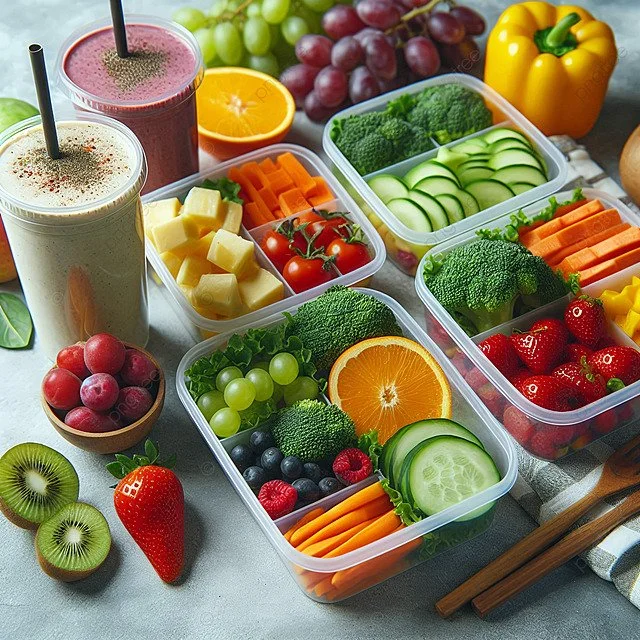
Making nutrition more manageable might mean keeping foods around that require little or no
preparation. It could mean having a few meals you can assemble instead of cook, storing snacks where you can actually see them, using frozen or pre-cut ingredients, or
eating the same breakfast several days in a row because having one less decision to make in the morning genuinely helps.
Convenience isn’t a nutrition failure. Sometimes convenience is exactly what makes eating possible.
The goal also doesn’t have to be creating the perfect system. A strategy can be useful even if it only makes one part of your day a little easier. If mornings are especially
difficult, for example, you might focus on making breakfast more accessible rather than trying to overhaul every meal at once.
What About Hunger Cues?
For some people with ADHD, recognizing hunger isn’t always straightforward. You might become deeply focused on a task and not notice hunger until it becomes intense,
or medication may affect how strongly you experience your usual appetite cues.
This can create a frustrating cycle where eating gets pushed later and later until you suddenly feel extremely hungry, tired, irritable, or unable to concentrate. At that point,
figuring out what to eat may feel even more difficult than it did earlier.
Learning about your own patterns can be helpful here. Instead of expecting hunger to always provide a perfectly timed reminder, you might explore other ways of
supporting consistent nourishment throughout your day. What that looks like will vary from person to person, and it doesn’t need to become another rigid schedule or
set of food rules.
Your Nutrition Strategies Should Work With Your Life
There isn’t one ADHD-friendly way to eat, just as there isn’t one way that ADHD affects someone’s relationship with food. What feels helpful for one person may be
completely impractical for another.Maybe you need fewer choices in the kitchen. Maybe you need more variety because eating the same foods quickly becomes
unappealing. Maybe grocery shopping is the biggest barrier, or perhaps groceries are easy but preparing them once you get home is where things fall apart. Understanding
where the difficulty actually occurs can help you find strategies that address the problem you’re experiencing instead of trying to force yourself into a system that was
never designed for you.Nutrition support can be less about asking, Why can’t I just do this? and more about asking, What would make this easier for me to do? That shift
leaves room for curiosity, experimentation, and finding approaches that better reflect your needs.
Looking for Support With ADHD and Nutrition?
If ADHD or other mental health challenges are making food, meal planning, grocery shopping, appetite, or meeting your nutritional needs more difficult, you don’t have to
solve every piece of it by yourself. Nutrition therapy can provide a space to explore what’s getting in the way and develop individualized strategies that work with your
needs, capacity, and everyday life.
[Learn More About Mental Health & Nutrition Support →]
EXAMPLE CONTENT ONLY — NOT FOR PUBLICATION. Final educational and clinical content should be written, reviewed, and approved by Teresa before being published
on the Blackbird Nutrition Therapy website.