What Happens When We Stop Calling Food “Good” or “Bad”?

EXAMPLE BLOG CONTENT — FOR WEBSITE DESIGN AND LAYOUT PURPOSES ONLY. This sample was created to demonstrate what a Blackbird Nutrition Therapy blog
post could look like and is not a finalized article written or approved by Teresa for publication.
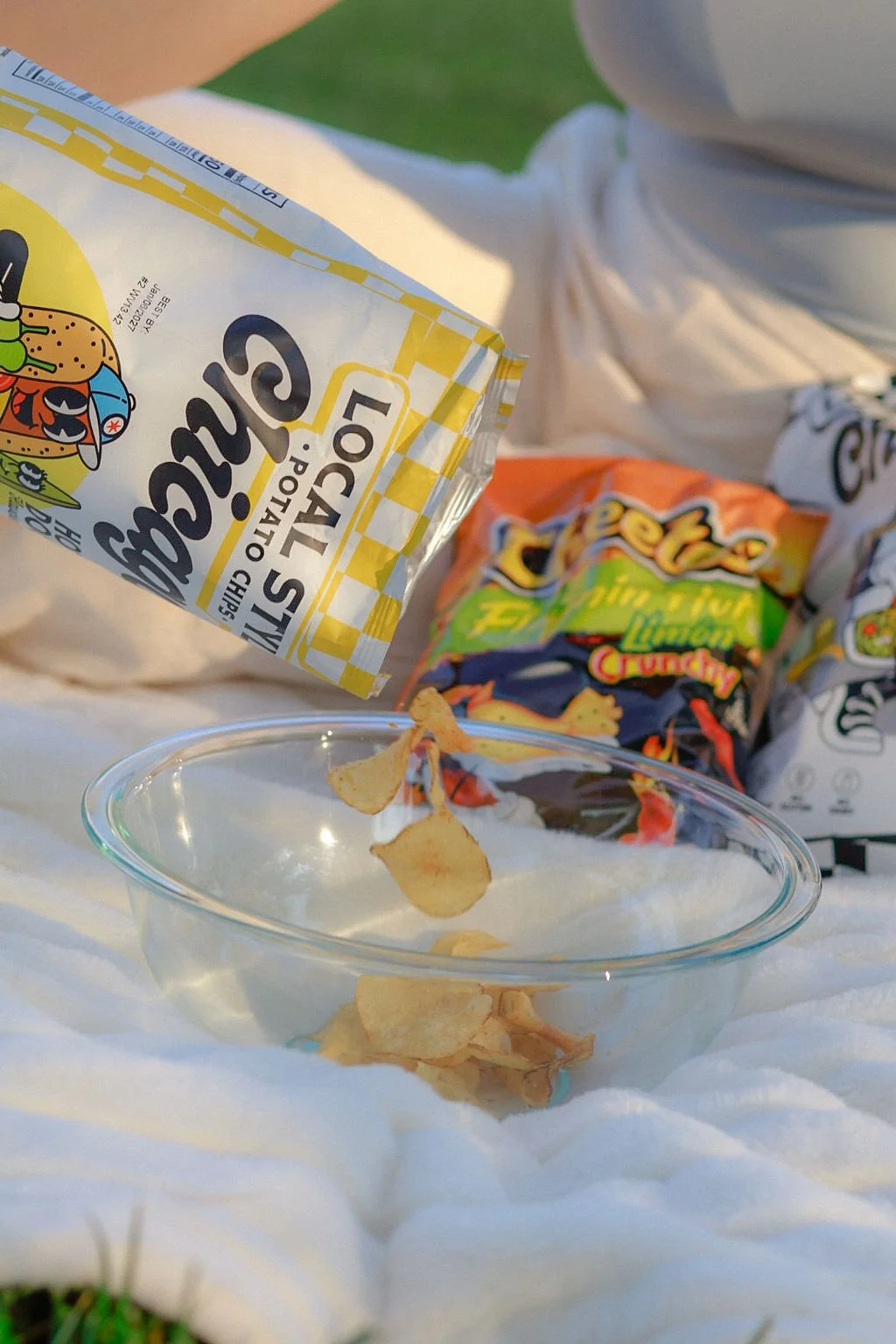
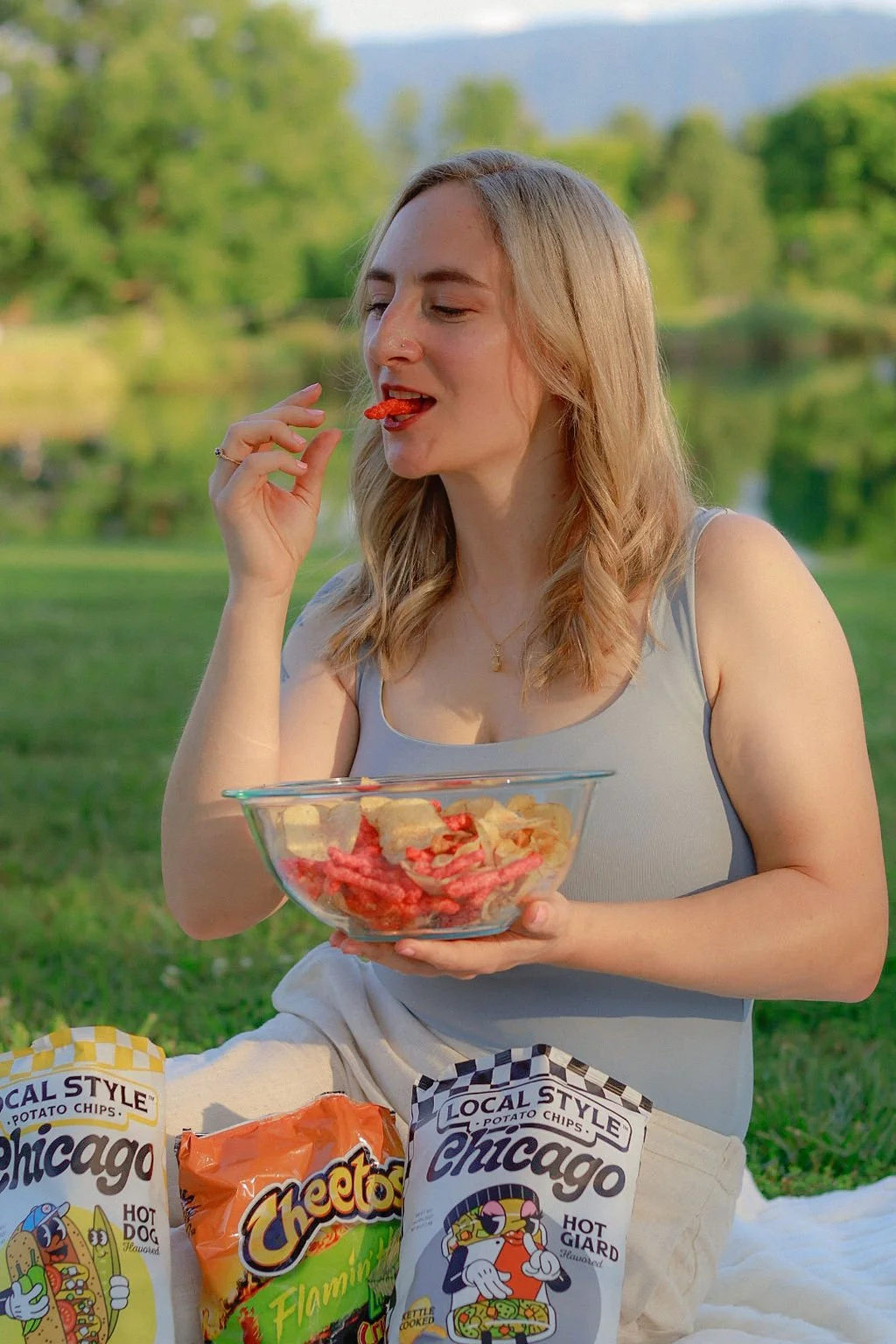
Have you ever eaten something and immediately thought, Well, that wasn’t very good of me? Maybe it was dessert after dinner, chips straight from the bag, or takeout on a
night when you had planned to cook. Nothing particularly dramatic happened, but somehow the food choice came with a judgment attached to it.
We hear foods described as “good” and “bad” so often that it can feel completely normal. A salad is good. A cookie is bad. Cooking dinner is good. Ordering pizza is bad.
Sometimes those labels even extend beyond the food itself and become a way of describing ourselves: I was so good today or I was bad this weekend.
Food may have nutritional differences, but attaching morality to what we eat can make our relationship with food much more complicated than it needs to be.
When Food Choices Start to Feel Like a Reflection of You
The language we use around food can seem harmless, but it may influence how we feel after eating it. When certain foods are placed in the “bad” category, choosing them
can come with guilt, shame, or the feeling that we’ve done something wrong.
That can create a cycle where food choices start carrying much more emotional weight. Maybe you avoid a food because you don’t trust yourself around it, feel guilty when
you eventually eat it, and then decide you need to compensate somehow afterward. What started as a simple food choice can suddenly influence what you eat for the rest of
the day—or even how you feel about yourself.
This doesn’t mean nutrition doesn’t matter. Different foods provide different nutrients, satisfy us in different ways, and serve different purposes. Moving away from moral
labels isn’t about pretending every food is nutritionally identical. It’s about separating the nutritional characteristics of food from judgments about whether eating it makes
you “good” or “bad.”

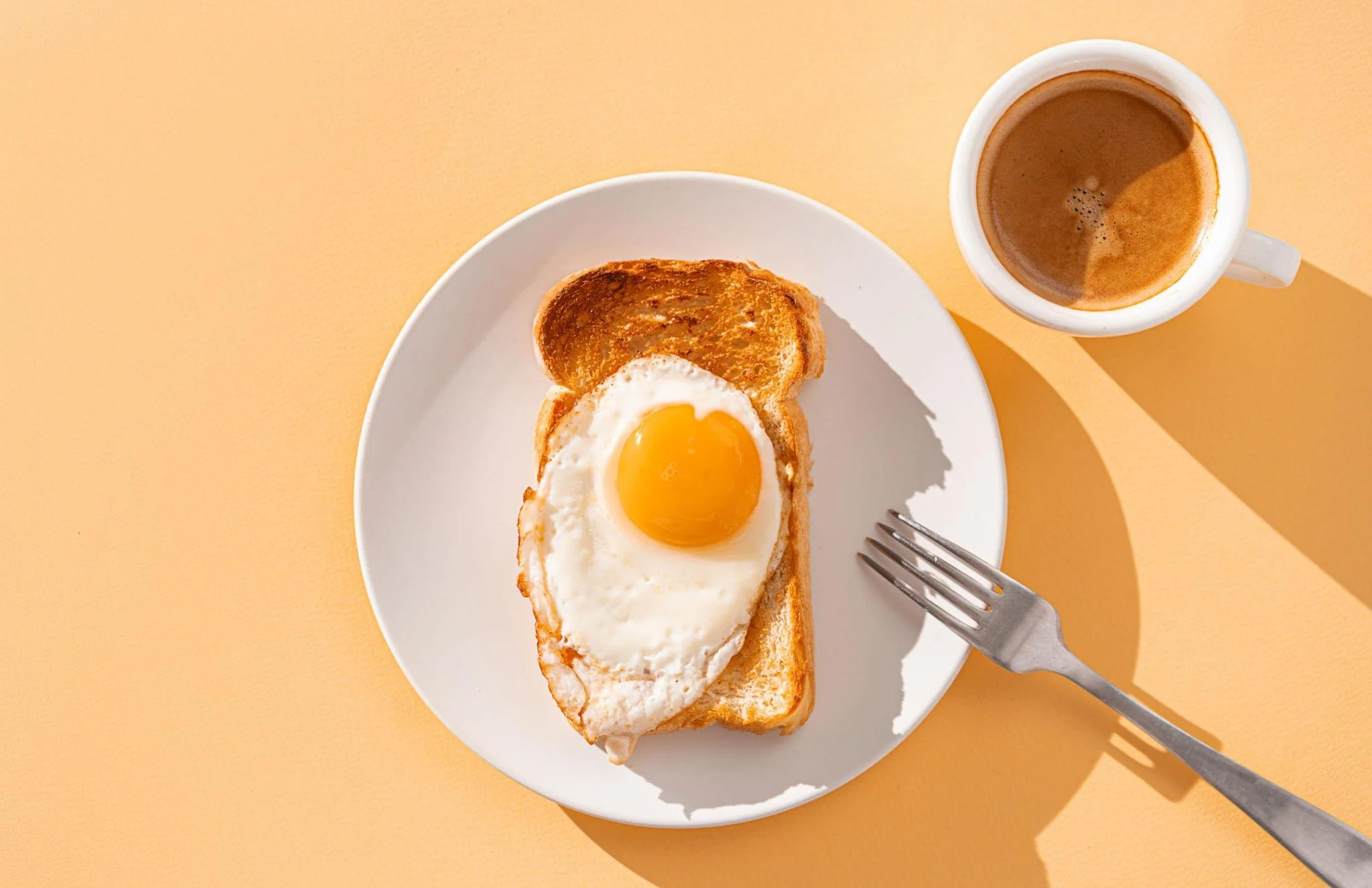
What If Food Could Just Be Food?
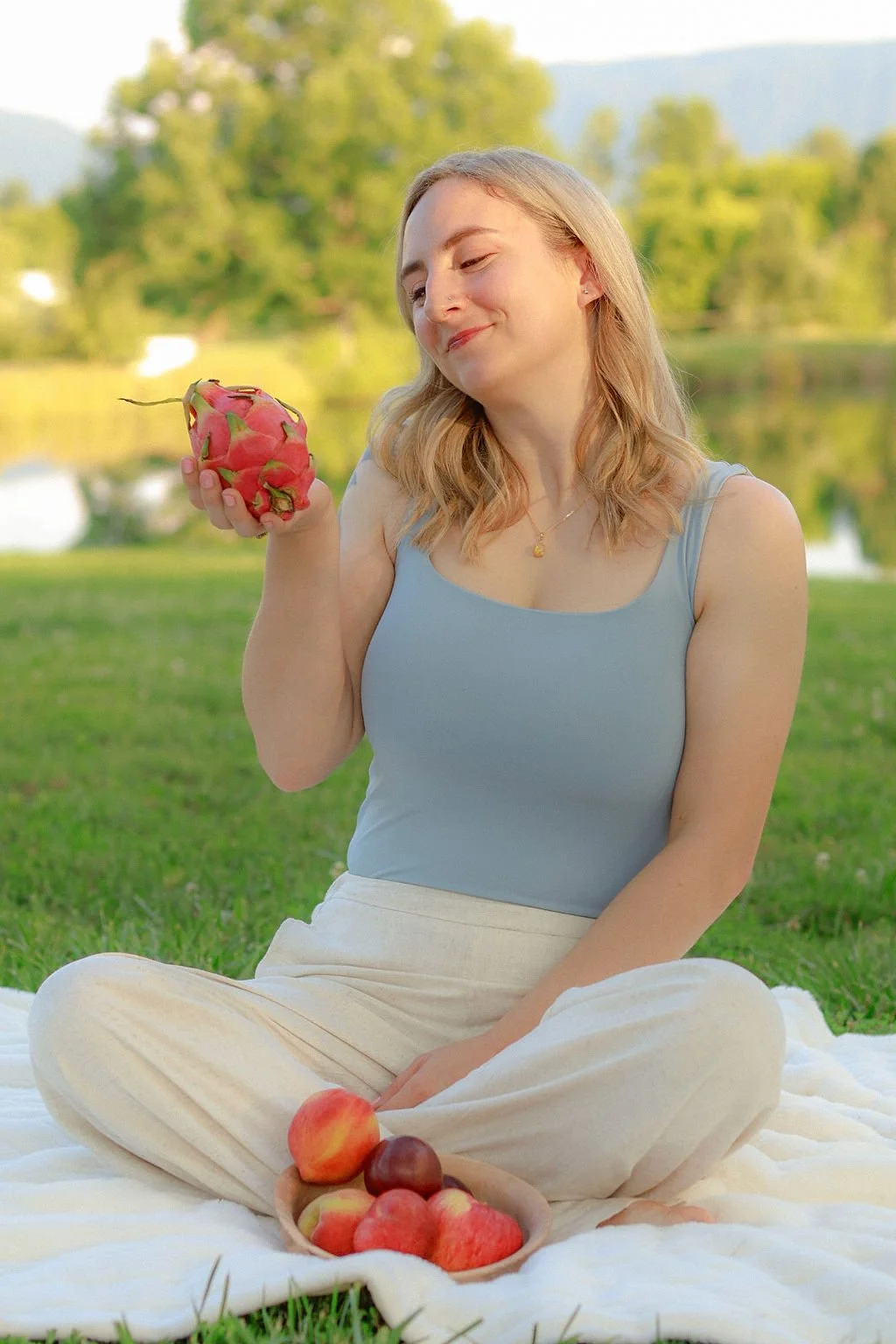
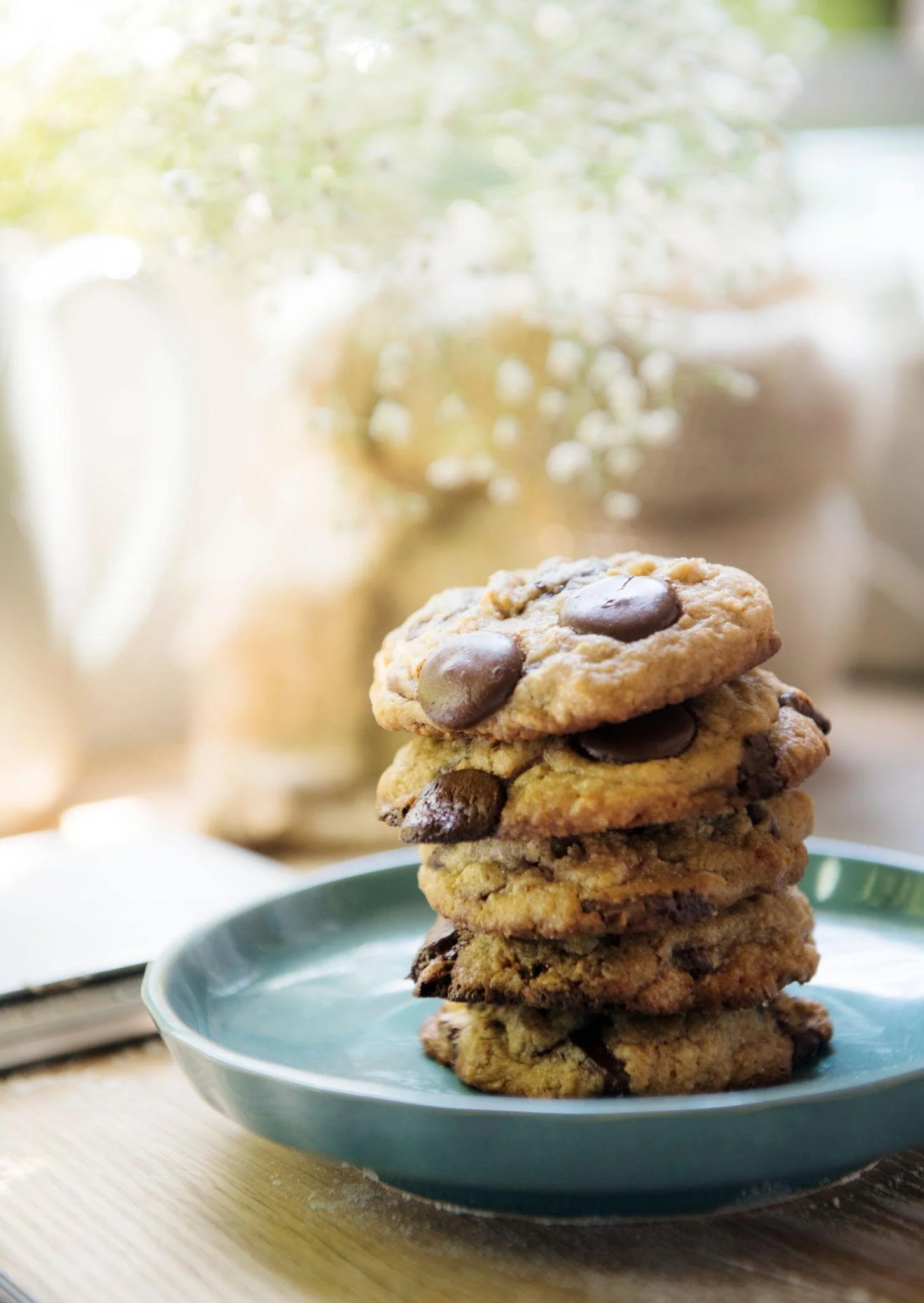
Imagine looking at a cookie and seeing a cookie rather than something you have to earn, avoid, or make up for later. Imagine choosing a salad because it genuinely sounds
satisfying rather than because you believe it’s what you’re supposed to order. Removing some of the judgment around food can give us more room to understand why we’re
making the choices we make.
Sometimes you might choose something because you’re hungry and it will keep you satisfied for several hours. Sometimes you may choose a food because it reminds you of
home, because it’s convenient, because it’s part of a celebration, or simply because it tastes good. Food can serve many purposes, and nourishment is about more than
creating a collection of nutritionally “perfect” meals.
The goal isn’t to replace one rule with another. You don’t need to start telling yourself that you should eat foods you previously considered “bad.” Instead, you can begin
noticing the judgments that show up around food and becoming curious about where they came from.
Pay Attention to the Language Around You
Once you start noticing moral language around food, you may realize how common it is. It can show up in conversations with friends, advertisements, social media posts,
wellness trends, family traditions, and even seemingly harmless comments about needing to “work off” a meal.
You don’t have to challenge every comment you hear or immediately change every thought you have. Awareness can be a meaningful first step. When you notice yourself
labeling something as “good” or “bad,” you might pause and ask what you actually mean.
Maybe what you mean is that a food has more fiber, keeps you satisfied longer, tastes particularly good, is easier on your stomach, or isn’t something you personally enjoy.
Those descriptions give you useful information without assigning a moral value to the food—or to yourself for eating it.
You Don’t Have to Eat Perfectly to Care About Nutrition
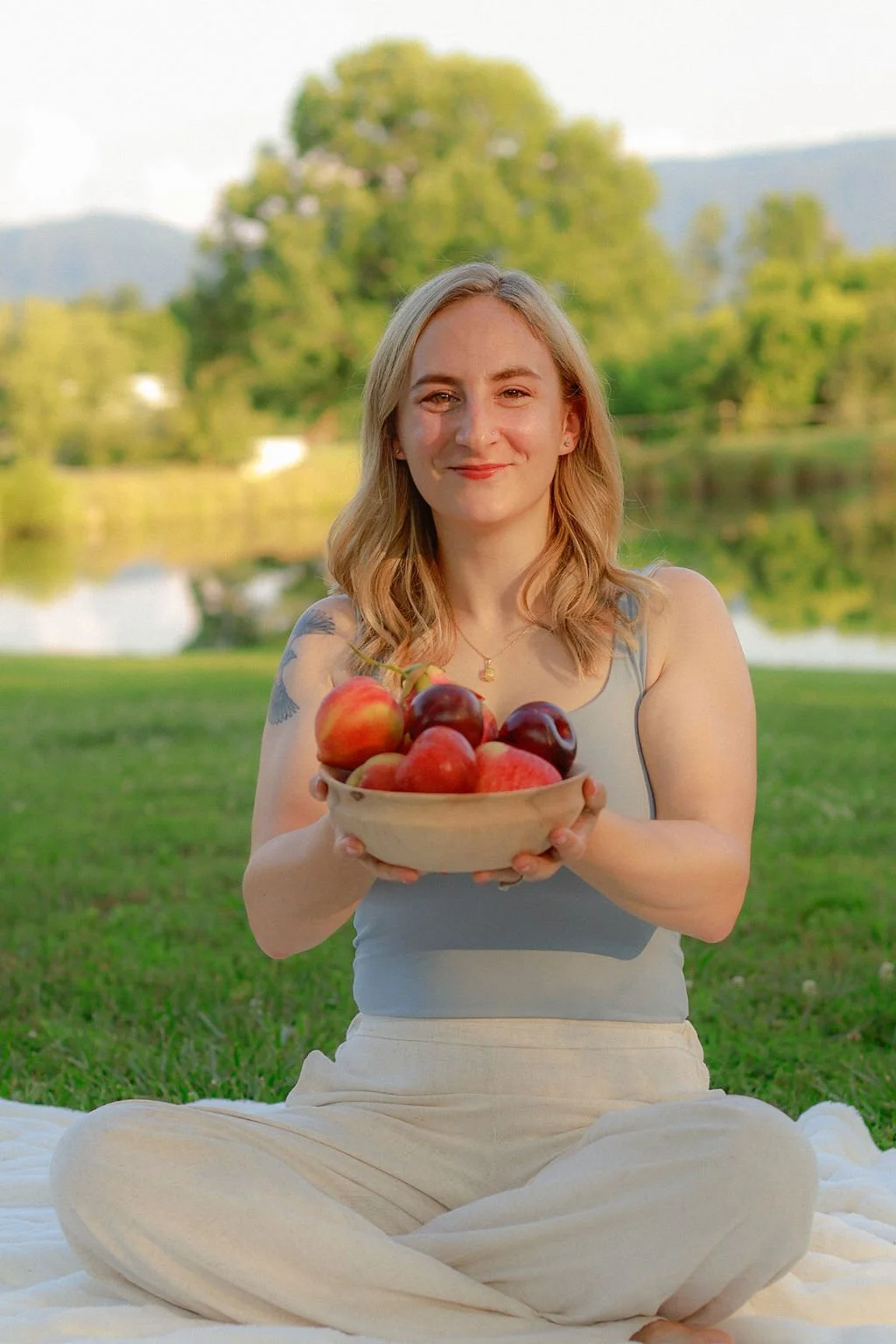
Nutrition can still matter without becoming a measure of how well you behaved that day. You can care about eating enough fruits and vegetables while also enjoying dessert
. You can think about protein, fiber, or other nutrients without expecting every meal to contain the perfect combination. You can make choices that support your health
while still leaving room for convenience, enjoyment, culture, celebration, and everything else food brings into our lives.
If you’ve spent years thinking about food through the lens of “good” and “bad,” changing that language may feel unfamiliar at first. That’s okay. The goal isn’t to become
perfectly neutral about every food overnight. It’s to begin creating a little more space for flexibility and curiosity in the way you think about eating.
The next time you catch yourself thinking, I was bad because I ate that, consider pausing before deciding what needs to happen next. Instead of asking whether the food was
good or bad, you might ask yourself a different question: What did that food do for me in that moment?
The answer might be nutrition, satisfaction, convenience, connection, enjoyment, or simply that you wanted it. Sometimes food doesn’t need to mean anything
more than that.
Want to Explore Your Relationship With Food?
If food rules, guilt, or anxiety are taking up more mental space than you’d like, nutrition therapy can give you a place to explore those experiences without judgment.
Together, we can look at the beliefs and patterns influencing your relationship with food and find an approach to nutrition that feels more flexible and supportive of your
life.
[Learn More About Disordered Eating Support →]
EXAMPLE CONTENT ONLY — NOT FOR PUBLICATION. Final educational and clinical content should be written, reviewed, and approved by Teresa before being
published on the Blackbird Nutrition Therapy website.